

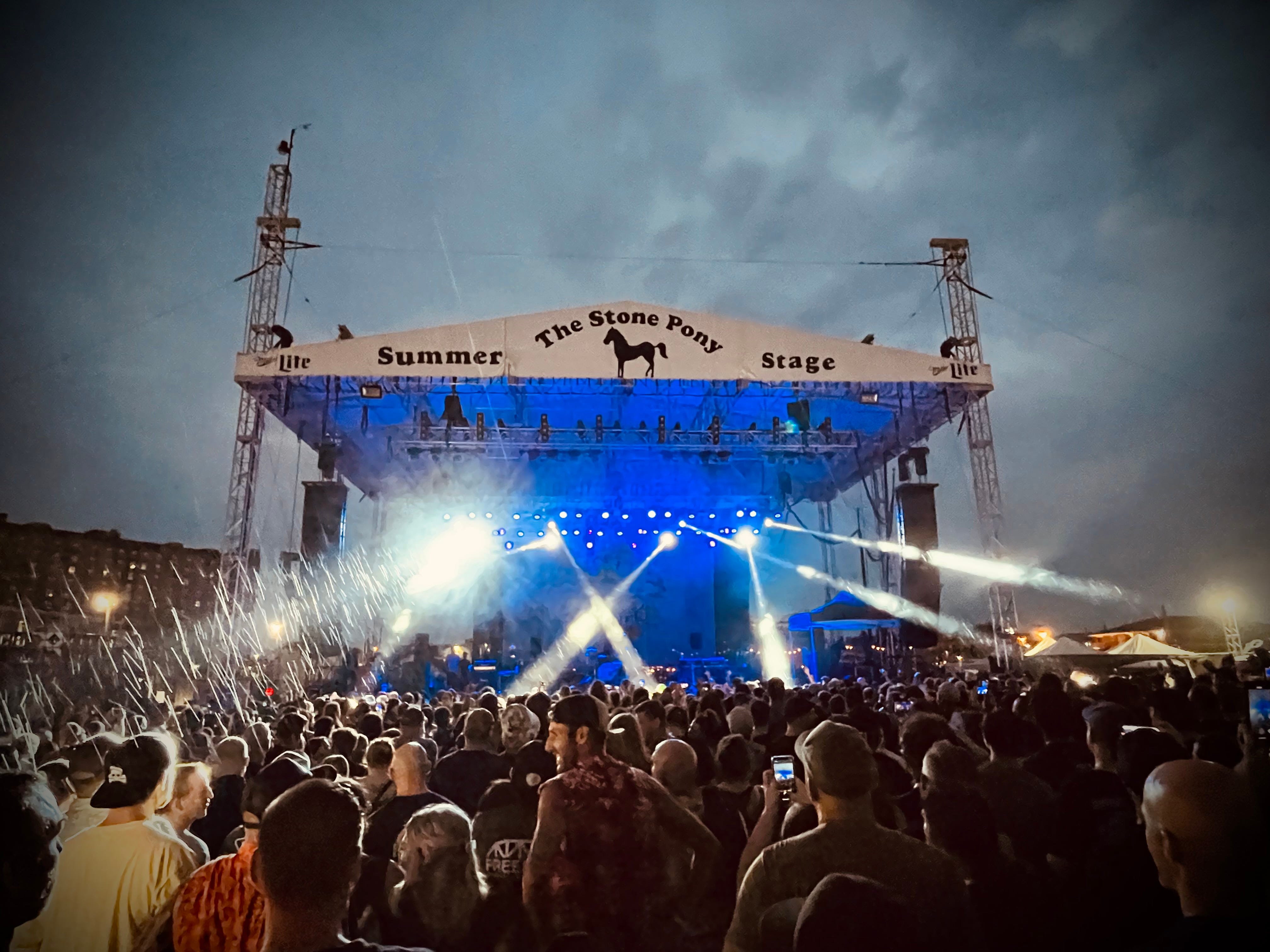
One of my favorite bands is the Airborne Toxic Event.
Before becoming a musician, lead singer Mikel Jollett went to Stanford and worked a corporate, white-collar job. An autoimmune diagnosis and the death of his grandma ended up convincing him to leave his corporate job.
Instead, he worked construction, became a magazine writer, and formed a band.
The band is weird. They’re a mix of punk rock, classical music, and electronic beats. The lyrics are sad and thoughtful. Their name comes from the postmodern Don DeLillo novel White Noise.
But their weirdness is what I like about them. It’s also what I like about their fans.
Let’s put it this way: every year they do a multi-day concert series in Palm Springs… complete with both parties and book club meetings.
Punk rock and book clubs?
That’s weird. But it’s also pretty memorable.
It’s not manufactured. It’s just a reflection of their personalities. That’s what makes it special.
It works that way for bands.
It also works that way for brands.
A few months ago, I wrote an essay called 80% Reliable. 20% Weird.
The core idea is that brands need to be dependable and meet their customers’ needs, but they also need to be a little weird. 20% of their energy should go toward off-the-wall ideas.
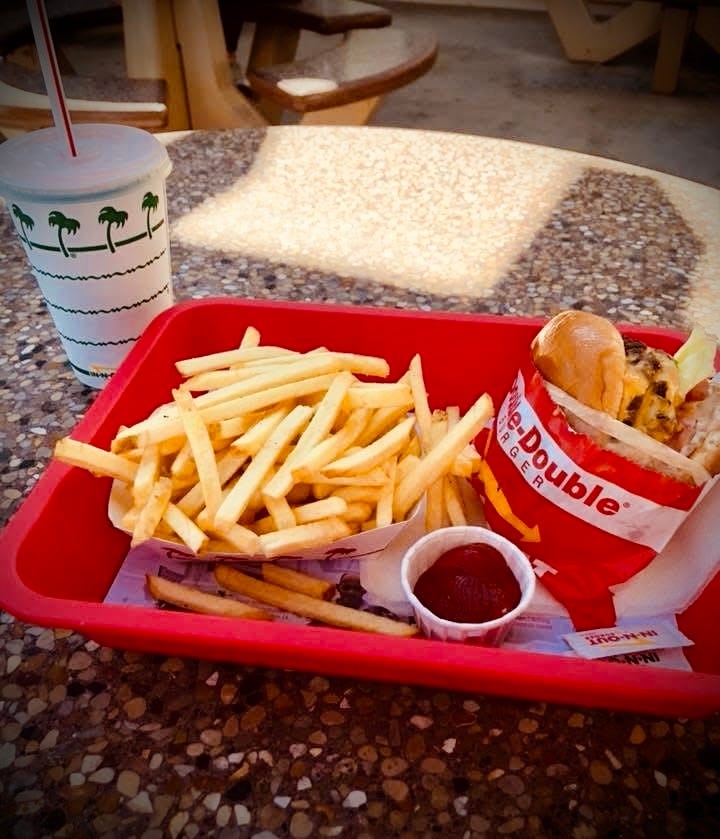
Think Fallow in London doing a normal menu but also serving a grilled cod’s head. Or Red Rose tea putting china figurines in their boxes of tea. Or In-n-Out’s famous X-crossed palm trees.
These details are weird, but they’re also part of why these brands built a cult following.
This weirdness can’t be faked. It only works if it’s genuine.
And here’s where that comes from.
Unique Brand Identity is Best When It Comes From the Founders
If you read the 80%, 20% piece, you may remember the restaurant Fallow in London. They’re famous for serving weird dishes, emphasizing sustainability, and having a very popular YouTube channel where they show how to make all their recipes.
A lot of Fallow’s unique brand identity comes from founders Jack Croft and Will Murray.
They had their staff t-shirts designed by the artist who made the Grand Theft Auto video game art, simply because they liked playing video games.
In an interview, they mentioned how they started using sustainable ingredients, like using leftovers from local cheesemakers and fishmongers, simply because they liked the challenge. They didn’t have a big agenda. They just naturally found sustainability interesting.
Fallow works because it’s unique to its founders. From the video game art, to the focus on sustainability, to the willingness to share their ideas on YouTube, it’s Jack and Will at the core.
For another example of the importance of founder personality, let’s get back to my roots as a California kid.
In-n-Out Burger doesn’t put Bible verses on their cups just to rile the masses.
Former CEO Rich Snyder started doing it in the 90s before he passed away, simply because his faith was important to him. His niece, current CEO Lynsi Snyder carries on the tradition because it’s meaningful to her too.
And as far as In-n-Out’s X-crossed palm trees go?
According to In-n-Out’s own social media account, they actually come from founder Harry Snyder’s love of the 1963 film It’s a Mad, Mad, Mad, Mad World, which features characters searching for buried treasure underneath palm trees in a W design.
It works because it wasn’t just a gimmicky branding idea. It was a nod to the founder himself.
Unique Brand Identity Works When it Comes From the Customers
Before I read his autobiography, I assumed Paul Van Doren was probably a skateboarder.
I had images in my mind of some rebellious 20-year-old designing shoes in his parents’ garage.
That’s not true.
When he founded Vans shoes, Paul Van Doren was 36 and had 5 kids.
He was a former middle-manager at the Randolph Rubber Company in Massachusetts, where he’d spent the last 20 years learning how to make durable sneakers using vulcanized rubber.
So a middle-aged dad started one of the most iconic punk rock brands of all time?
That’s right.
And he had no intention of making it punk rock.
His customers did.
When he founded the Van Doren Rubber company, Paul just wanted to make regular shoes for regular people.
But another movement was happening in Southern California in 1966.
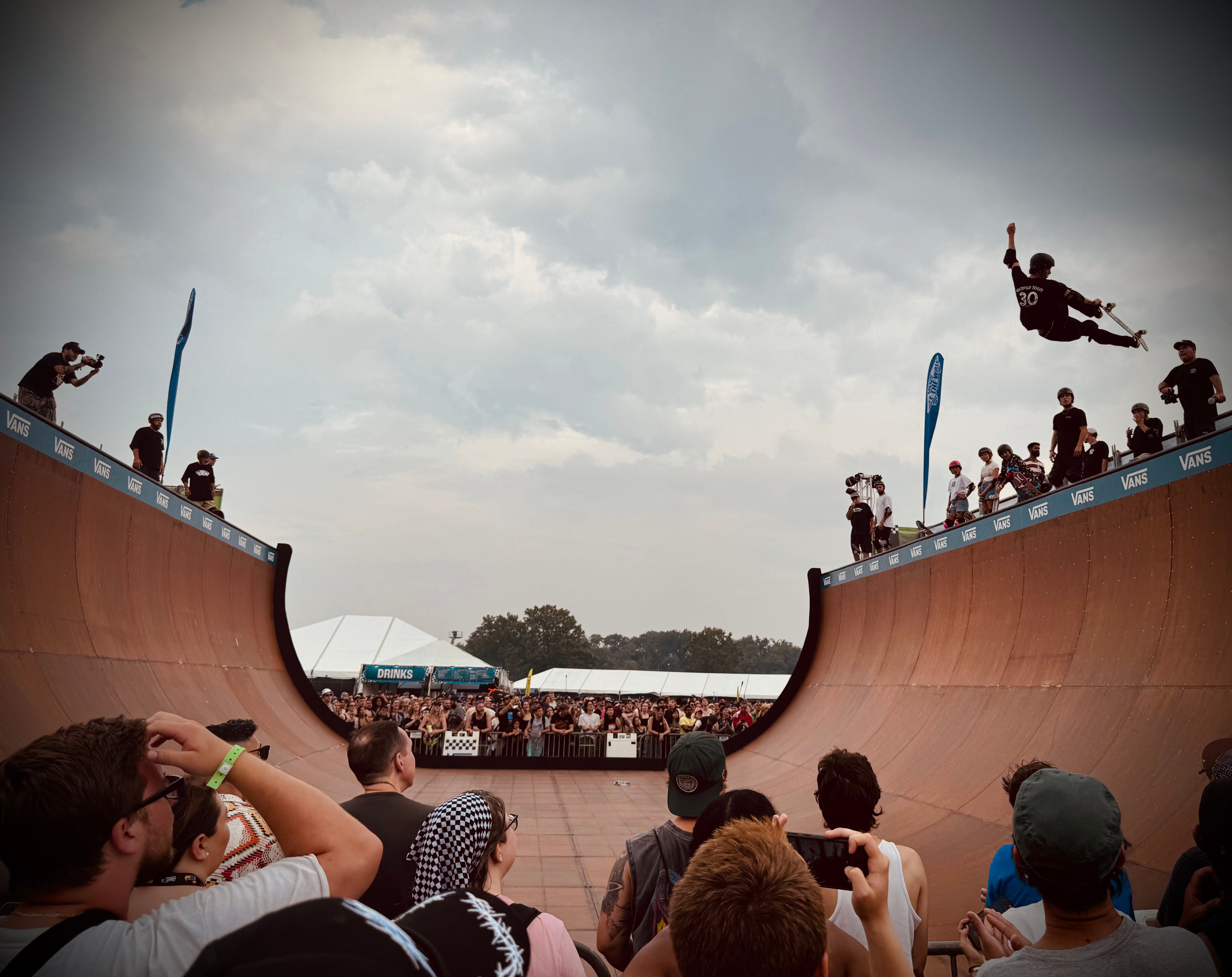
Skateboarding was starting to take off. In the early 1970s, the Zephyr boys started wearing Vans. Then in the late 1970s and early 80s, the Bones Brigade and Tony Hawk started to come on the scene.
Skateboarders liked Vans because their soft, grippy, waffle-shaped soles could grip boards. They also liked that Vans would allow them to purchase shoes in different colors and replace individual shoes without buying a whole new pair.
If you can imagine how many shoes got torn open skateboarding, this was truly a unique selling point.
Though Vans experimented over time with getting more mainstream or offering dressier clothes, its core audience has long been skateboarders, surfers, punk musicians, and fans of these movements.
Paul Van Doren didn’t decide how to make his brand weird. His customers did.
He was just smart enough to listen.
Unique Brand Identity Only Works if It’s Part of the Culture
Patagonia wasn’t originally supposed to be a company at all.
Yvon Chouinard was a true hippie, spending years sleeping in tents, traveling the country, and hiking or rock climbing whenever he felt like it.
He paid for his vagabond experience by making metal pitons for rock climbing. At the time, pitons couldn’t be removed and reused, and buying new ones was expensive.
His frustration at the lack of reusable equipment led him to create a climbing company focused on recycling and sustainability.
He wasn’t a businessman. He was just a guy who liked to climb and surf.
When Patagonia started, Yvon didn’t always have enough work to give his employees. So he encouraged them to take time off frequently and go surfing, hiking, or climbing. That way they could test equipment and reconnect with outdoor culture.
You can’t write a book called Let My People Go Surfing unless you actually mean it.
And Yvon did.
Unique Brand Identity Has to Cost Something
If you try to please everyone, you won’t please anyone.
The truth is, even the biggest musicians on earth have their haters. Just ask Taylor Swift.
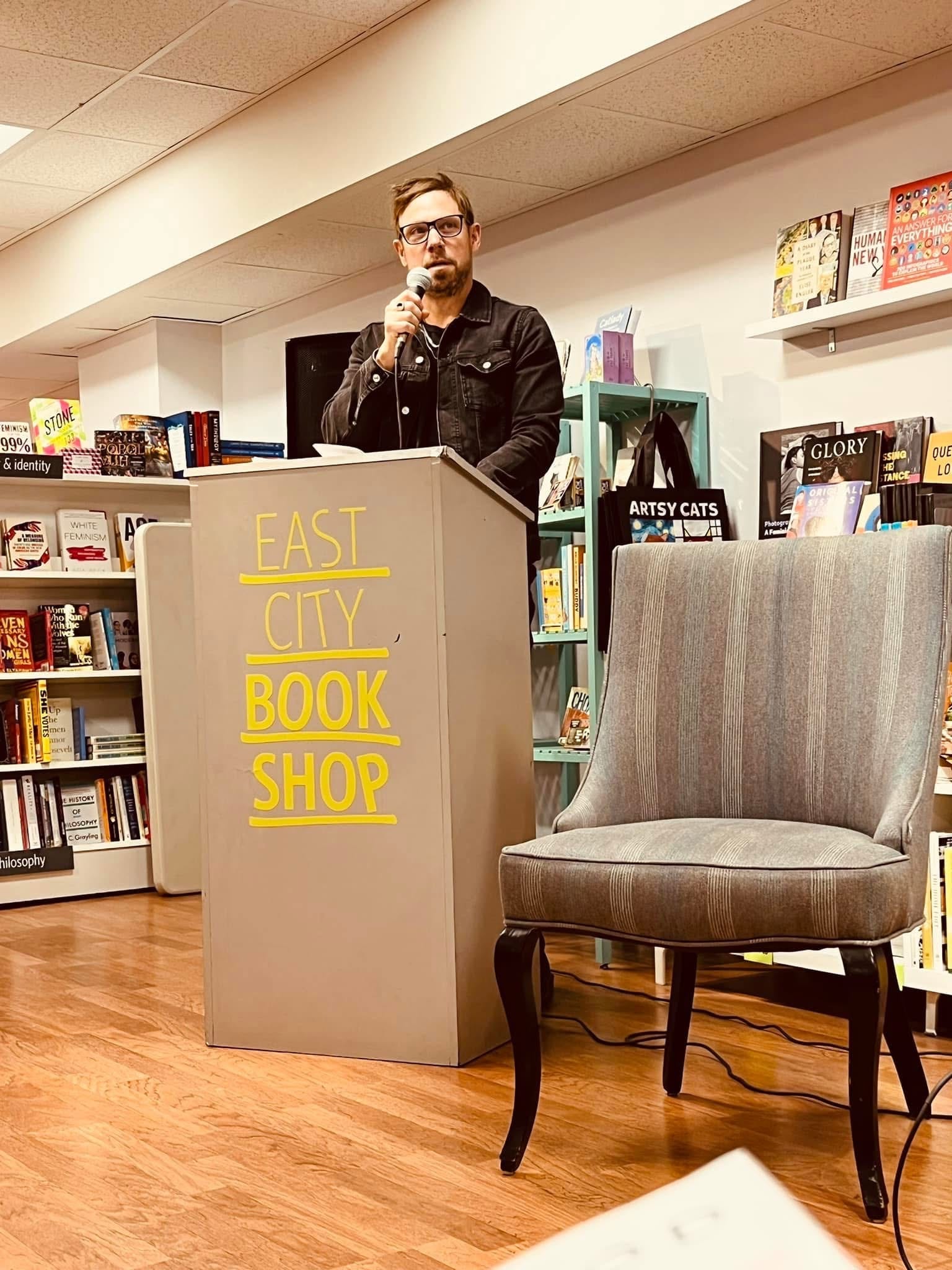
Mikel Jollett could probably be bigger if he ditched the weird literary references and electric violins.
In-n-Out could probably spread faster if they were willing to use frozen, instead of always fresh, meat. They’d also probably be more popular if they stopped putting Bible verses on their cups.
Fallow will probably win a Michelin star one day. But it won’t become a chain, and it probably won’t ever leave London.
The thing is… if anyone of these bands or brands ditched what makes them unique, they’d stop being memorable.
They’d just become another casualty of the sea of sameness.
If a brand wants to be memorable, it needs to lean into the weird quirks of its founders and customers.
It needs to make this unique identity part of the fabric of the company culture.
And it needs to take a stance and accept the costs.
Not everyone wants to go to a rock concert. Some people would rather go to a pop concert and enjoy a little more mass appeal. That’s ok.
I’ve been to see Billie Eilish and Taylor Swift, and I had a great time!
That said, I’ll always have a soft spot for rock shows.
There’s something special about being surrounded by a bunch of misfits wearing ratty band t-shirts and decades-old denim jackets, all singing loudly and awkwardly to the music.
Because for a brief few hours, they weren’t afraid to show the 20% of themselves that is genuinely weird.
They chose to be themselves.
Want to read more like this?
Here are a few of my favorites.
80% Reliable. 20% Weird.

Most brands are forgettable.
Rory Sutherland, one of my favorite authors, often talks about how brands need to be a bit more irrational. Here’s why that’s important.
Business for Humans: The Principles of Hospitality

What my parents’ meeting at Disneyland, Michelin-star restaurants, and my job cleaning toilets taught me about making business feel human
What Fashion Taught Me about Trust

So, rather than try to sanitize our content perfectly—an impossible task—or ignore the wishes of our customers entirely, we tried a new approach altogether.
We copied a fashion brand.
To learn more and see my full essay archive, visit my Start Here page.
Start Here | Table of Contents

Welcome to Notes on Work and Life.
This isn’t your traditional business newsletter.
This is about how to thrive in business and keep your soul while doing it.
Thanks for sharing @David McIlroy!
Very nice researched piece Colin. It’s interesting you mention In & Out. My wife and I are on the board of GAP Ministries in Tucson. It was picked by In & Out as the non-profit of the year out of the 200 they support. All their executives came out to celebrate.