
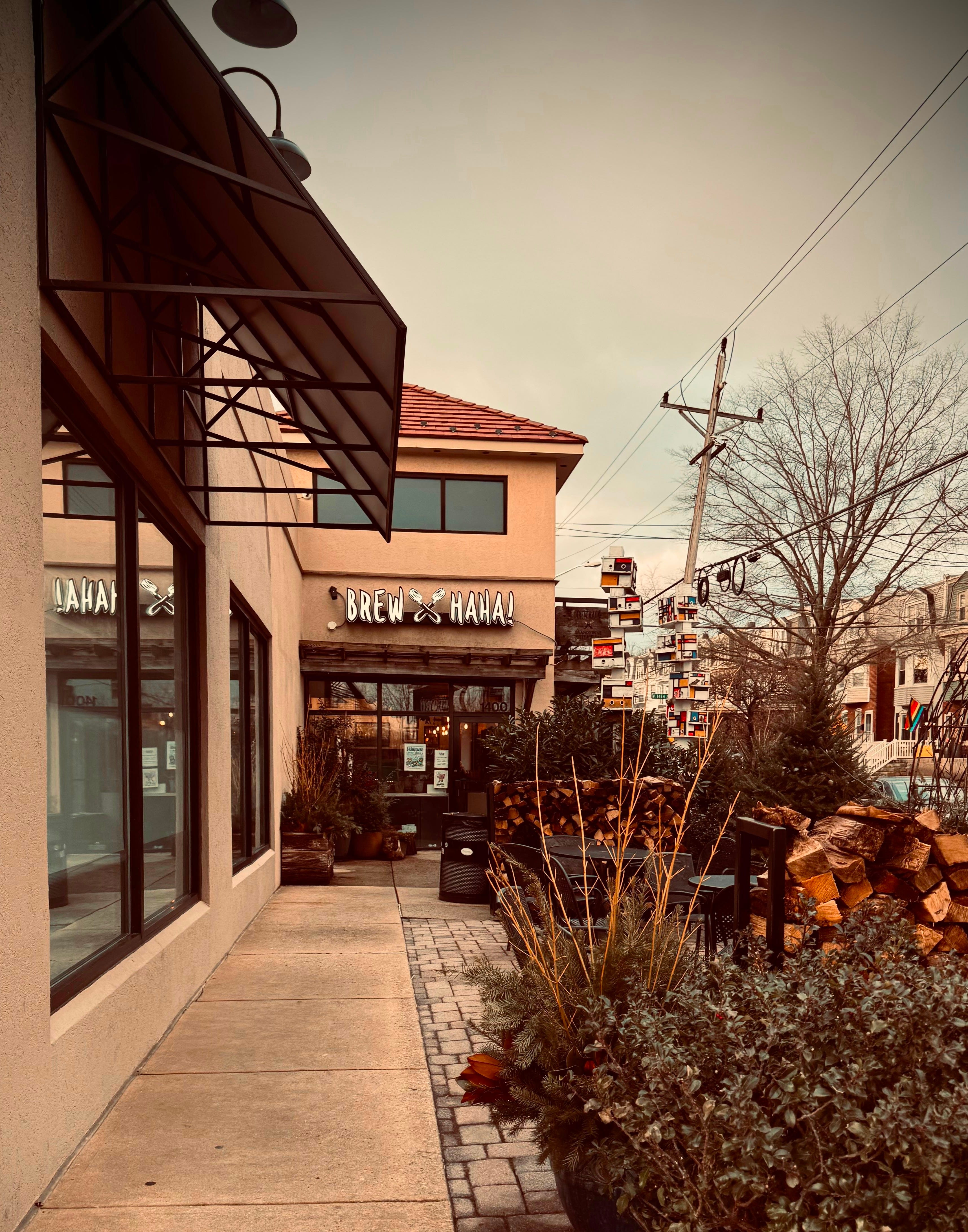
One of my favorite places in the world is a coffee shop where I got dumped.
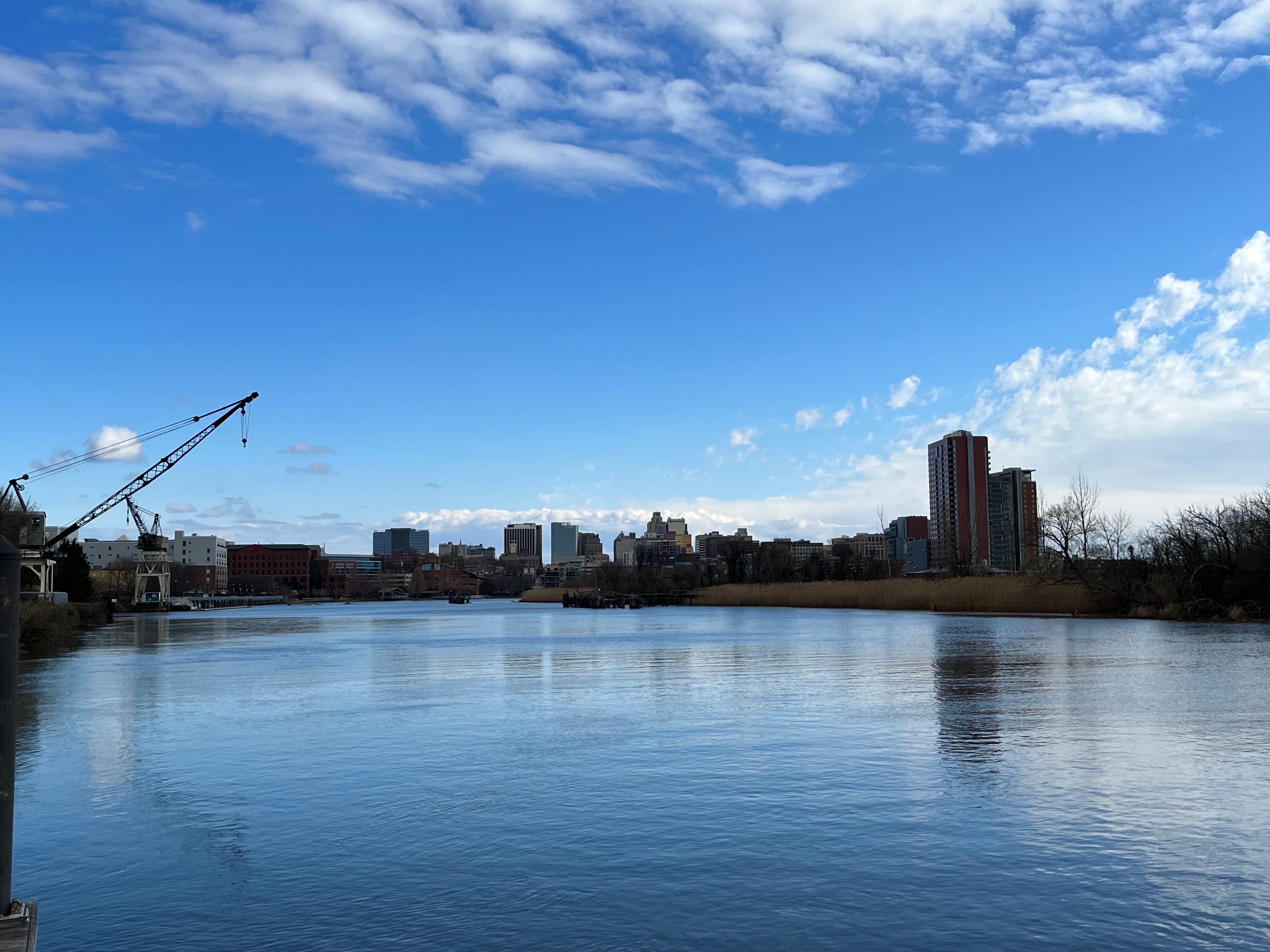
It’s in Wilmington, Delaware, where I lived for 5 years.
It’s a semi-forgotten town, famous for banks, shipbuilding, and crime.
It’s where Fight Club is rumored to take place. It’s where the D-Day landing craft were built. It has more crime per capita than Chicago, and its nickname used to be “Murder Town, U.S.A.”
Sometimes I miss it.
One of my favorite things was a chain of local coffee shops called Brew Ha Ha.
They had 9 locations, decorated in an eccentric blend of industrial metal, floral wreaths, and mid-century modern decor. It was a beautiful, quirky staple of the community. And I loved it.
The funny thing is, I only found out about this chain because I got dumped at the nicest location. Sort of. It’s complicated.
Some people wouldn’t go back. But I did.
Eventually I associated the place with peaceful morning walks and family brunch.
I wasn’t going to let a bad start ruin a great place.

How many things from your past haunt you?
For me, it’s a lot.
I’m a nostalgic person, and I tend to romanticize the past, both the good and the bad.
On the one hand, I’ve discovered a lot of beauty this way. On the other hand, sometimes this has caused me to get stuck.
It’s taken me years to get over some relationships.
I wonder if my family ever got over my grandma’s death when I was 8.
I still question whether I was a good manager at the startup I left back in 2016.
Why is it that some memories fade into obscurity and some memories haunt us?
I don’t have all the answers, but I think we all have things we have trouble getting over.
And I firmly believe there’s only one way to do it.

People say we shouldn’t live in the past. But I do think we need to visit it.
It seems fitting that the hero’s journey includes a trip to the underworld.
Odysseus had to visit Achilles in Hades. Harry Potter “died” and came back. And depending on your theology, even Christ descended into hell for 3 days between His death and resurrection.
It seems obvious that death is the enemy we all face.
But maybe it’s more than that.
Maybe you have to visit the dead before you get to return home.
Dead ideas. Past defeats. Old grudges. Emotional scars. Lingering sins.
In The Lord of the Rings, Faramir tells Frodo and Sam about the decline of his homeland Gondor:
“Kings made tombs more splendid than houses of the living, and counted the names of their descent dearer than the names of sons.”
This isn’t just something fanciful from literature. Humans do this all the time.
When you find out Gondor is based in part on Ancient Egypt, it’s not hard to look at the pyramids and understand how humans build grand houses for the dead at the expense of the living.
A lot of people will tell you to move forward. Never look back. The past is the past.
But I think sometimes when we ignore the past and try to move forward, we’re actually running from it. And by running from it, we’re elevating it, building elaborate tombs that frighten and haunt us.
The problem isn’t revisiting the past. The problem is living in it.
Just ask Jay Gatsby
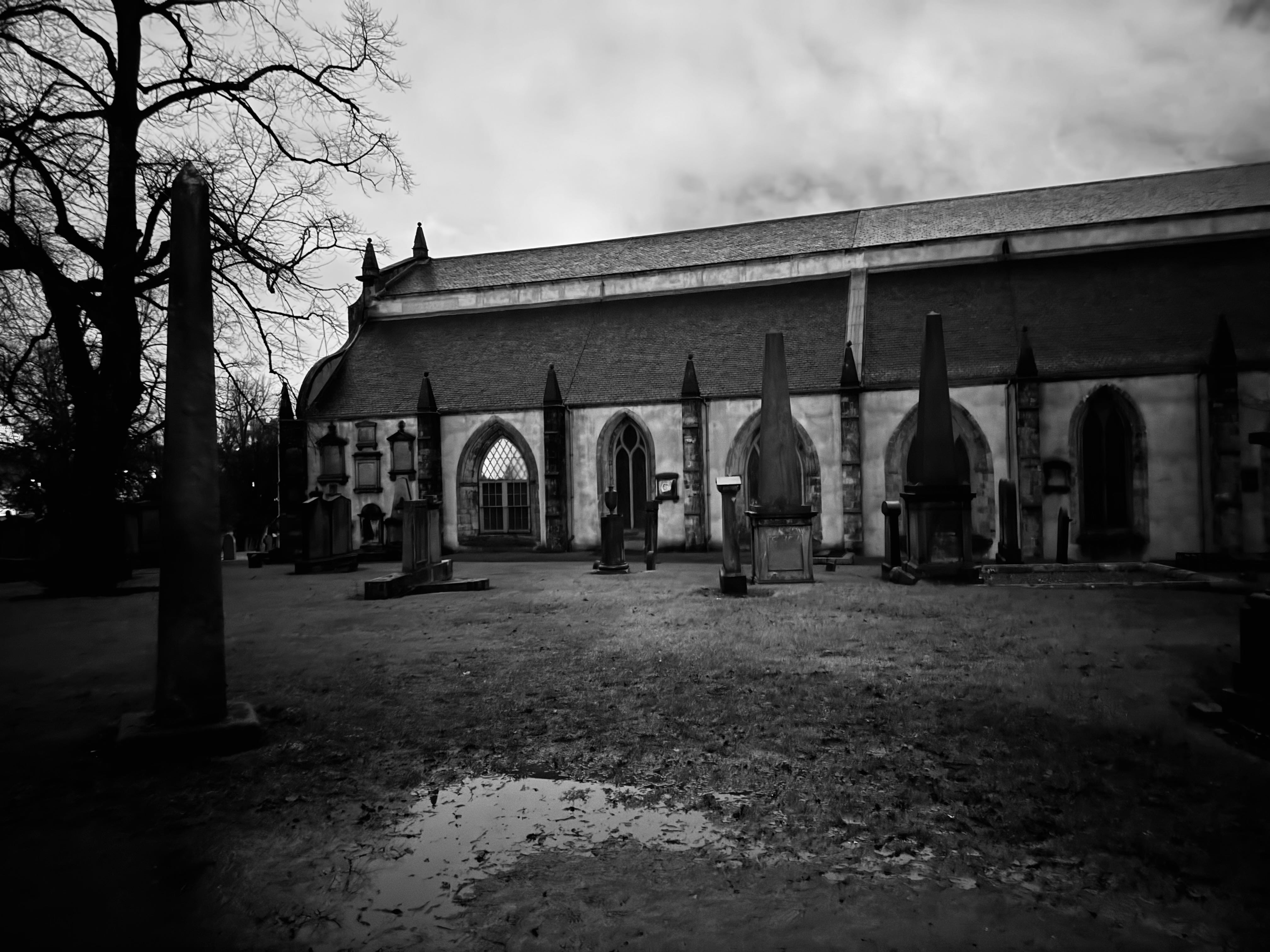
So how do you revisit the past without trying to relive it?
Sometimes you need to physically go back to a place where you have bad memories.
But for many of us, the trip to the underworld is an internal journey.
Arthur Brooks recommends keeping a failure journal.
Write down a bad thing that happened. Then, in a month write down something you learned from it. In 6 months, write down something good that happened as a result of it. The idea is that eventually, you’ll start looking forward to failures as lessons to be collected.
Jordan Peterson gives similar advice with his self-authoring program, which requires participants to write 15–20 pages about their past life, their present life, and their future goals.
Why is it important to write about the past?
Peterson explains, “What you’re looking for most will be found where you least want to look.”
He attributes it to a principle in alchemy: “In sterquiliniis invenitur.”
“In filth it shall be found.”
Whether it’s physically visiting a coffee shop, tearing down your monuments to past trauma, or simply writing down difficult memories, one thing is clear:
You can’t go home until you visit the dead.
The thing you fear the most holds the answers you seek. In filth it shall be found.
That’s part of why I’m writing on Substack. I’m trying to make sense of the past, but I’m also hoping you can take some lessons from my life with you.
Failures undocumented and unshared become ghosts.
Failures documented and shared become guides and friends.
So where does that leave us?
Back at a coffee shop.
One of my favorite places to write is at a Barnes & Noble café about 20 minutes from my home.
When I go there, I can see the corner where I sat with one of my old girlfriends a week before we broke up. To get there, I have to drive down the streets where I had my last phone call with my most recent ex.
But I don’t mind. Because I have a lot of good memories there too.
It’s where I’ve written many of my essays for Substack. It’s where I shopped for Christmas presents with my sisters before going to Nando’s in the freezing December air. It’s where I’ve spent countless hours wandering around looking at the stacks of books to get ideas.
Before we wrap up, I’d like to ask you something.
What streets are you avoiding? What songs remind you of your ex? What company name makes your stomach churn? What are you too afraid to write about?
You can avoid these things until you die. But avoiding them doesn’t solve anything.
Time alone won’t heal your wounds. In the words of my favorite TV doctor, Gregory House, expertly played by Hugh Laurie,
”They always say time changes things, but you actually have to change them yourself.”
If you build monuments to the dead, you’ll do so at the expense of the living. If you try to run from old haunts, you’ll never run far enough.
So, what to do instead?
Revisit the memories. Write down the past. Go back to the coffee shop.
If your mind and past are full of ghosts, befriend them.
You need to return to the scene of the crime.
Want to read more like this?
Here’s a few of my favorites:
Fantastic essay Colin! The first essay I have read that openly talks about revisiting the past from a different perspective. I remember going back to a spot outside a coffee place, that i often avoided as I cried a lot there. It is now my favorite spot. I often feel blinding oneself to those painful moments (places, memories) just bottles up and aggravates, while i believe in giving myself some grace with respect to the time I is important to sort it out in different ways. Thanks for sharing Arthur Brooks advice as well, I have heard some of his talks, he is amazing:) writing about them and talking to close friend helps in my case.
Colin, this is exactly the kind of piece that makes me want to keep following someone’s work.
“The problem isn’t revisiting the past. The problem is living in it” is going to stay with me.
Your coffee-shop example really worked for me because the painful memory didn’t disappear—you simply created enough new life around it that the old memory no longer owned the place.
A lot of what I’ve been writing and talking about lately circles around similar questions: What do we carry forward from difficult parts of our lives, and what are we finally allowed to put down?
I think you’d feel right at home around our Timberline campfire. We spend a lot of time talking about resilience, community, the stories we inherit, and how people find their way forward.
Really glad I found your work, Colin. I’ll be reading more. I hope you’ll wander over sometime. 🌲🔥